Keeping you and your employees safe with professional confined space training.
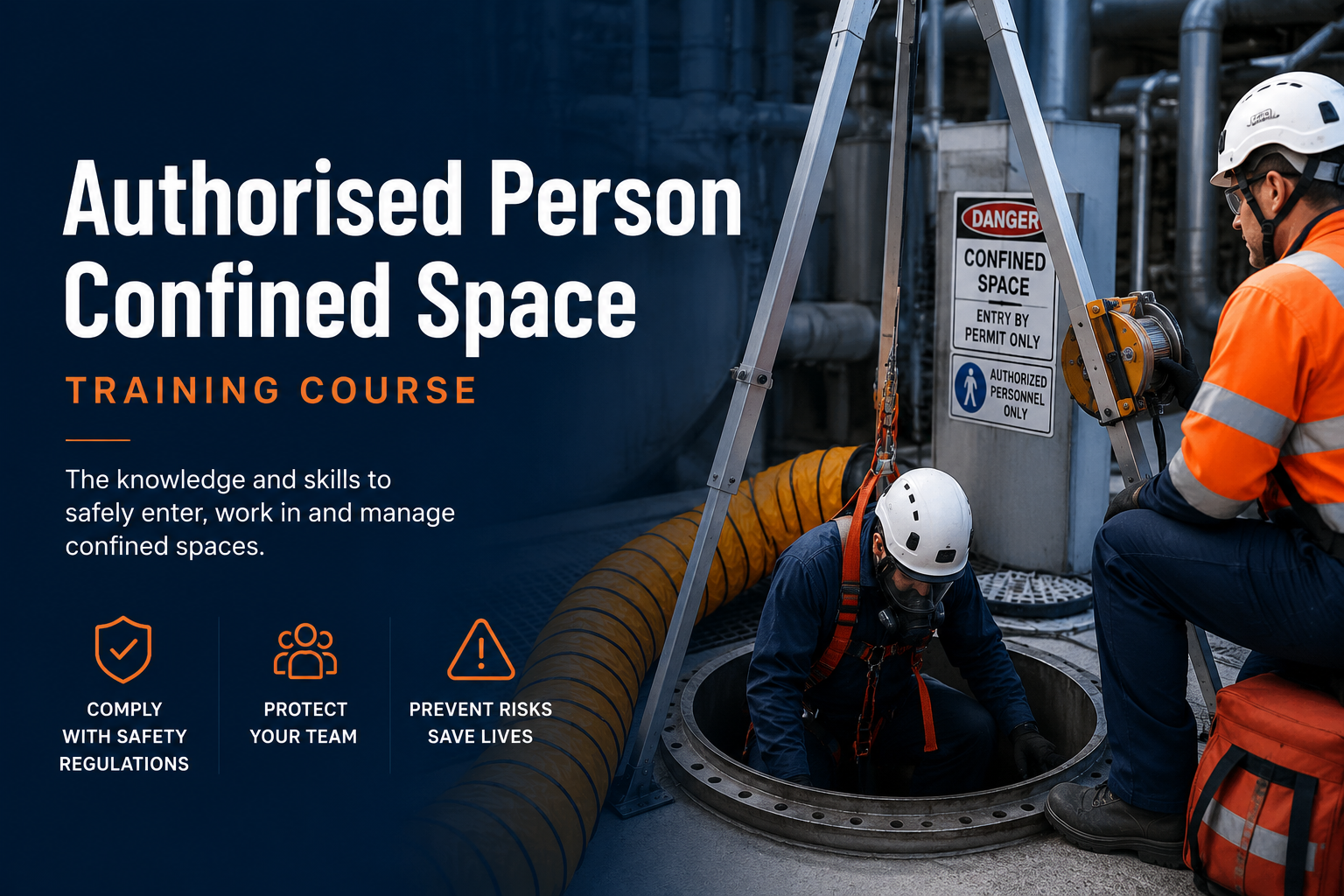
Working in confined spaces could mean that you are exposed to various hazards. Therefore, in order to work safely correct training is essential. A number of people are killed or seriously injured in the UK each year when working in confined spaces. Unfortunately those that try to rescue them are also potentially at risk because they are unaware of the dangers, poorly trained or the correct emergency plans have not been put in place.
Employers have a legal obligation to ensure that all employees are trained and to ensure the training provided is appropriate for the work being undertaken. Our courses ensure that you stay fully and legally compliant.
Our training courses align to the Confined Spaces Regulations 1997 which regulate work within confined spaces.
The 1997 regulations place clear duties on the employer in respect of work carried out by the employee in confined spaces. Work within a confined space must be carried out in accordance with a safe system of work (SSOW) and it is important that anyone working in a confined space is correctly trained.
Our qualified trainers bring a wealth of knowledge and experience which ensures they deliver professional confined space training.
Our Confined Space training courses have been designed to help candidates understand the legal requirements outlined by the Confined Space Regulations 1997. Explaining the risks associated with confined space entry and working, as well as safe work practices, equipment and suitable control measures and the requirements for emergency arrangements.
Confined Spaces Training Courses Available
We have various courses available, ranging from the basic Confined Space Awareness course to the High-Risk Rescue within Confined Spaces.
Confined Space Awareness.
Course Aim:
This course is designed to prepare candidates with the principles of Confined Space Awareness for those that may work near, or might be associated with confined space operations but are not required to enter a confined space. Providing delegates with the knowledge to enable them to safely recognise a confined space.
Key Information:
- Confined space legislation review.
- Confined Space Risks/Hazards
- Confined Space Identification and Classification
- Safe systems of work.
- Atmospheric hazards and the need for gas detection.
- Distinction between types of RPE.
- Methods of communication.
- PPE requirements.
- Consideration of access methods.
- Emergency procedures and legal requirements.
- Risk assessments.
- Entry permits.
Low Risk Confined Space Training.
Course Aim:
This course is for anyone working in a low risk environment and includes preparing to enter and work safely, entering and exiting confined spaces safely, using equipment and tools, following procedures, and dealing with emergencies. A low risk confined space exists where there is easy entry/exit and natural ventilation. These could be associated with lone working, requiring the application of appropriate procedures
Key Information:
Learning Outcomes
Course Content
Learning Outcomes
- Prepare to work safely in low risk confined spaces
- Enter and exit low risk confined spaces safely
- Use equipment and tools safely
- Follow working procedures and work safely
- Deal with emergencies
- Understand the principles of working in low risk confined spaces
- Understand standard protocols for working in low risk confined spaces
Course Content
- Definition of a confined space
- Specified risks
- Duties under the regulations, preventing the need for entry
- Risk assessment and hazard identification
- Atmospheric hazards and gases
- Principles and use of gas monitors
- Safe systems of work and permits to work
- Roles and responsibilities
- Communication
- Inspection and application of tripods, winches and fall protection equipment
- Practical exercises and assessment
Assessment: Practical observation and short answer question paper
Medium Risk Confined Space Course.
Course Aim:
This course is for anyone working in a medium risk environment where there is a realistic expectation of encountering or the introduction of a specified risk. It includes preparing to enter and work safely, entering and exiting confined spaces safely, using equipment and tools, following procedures, and dealing with emergencies. It will require the use of escape breathing apparatus.
Key Information:
Learning Outcomes
Course Content
Learning Outcomes
- Prepare to work safely in medium risk confined spaces
- Enter and exit medium risk confined spaces safely
- Use equipment and tools safely
- Follow working procedures and work safely
- Deal with emergencies
- Understand the priciples of working in medium risk confined spaces
- Understand standard protocols for working in medium risk confined spaces
Course Content
- Definition of a confined space
- Specified risks
- Duties under the regulations, preventing the need for entry
- Risk assessment and hazard identification
- Atmospheric hazards and gases
- Principles and use of gas monitors
- Safe systems of work and permits to work
- Roles and responsibilities
- Communication
- Inspection and application of tripods, winches and fall arrest equipment
- Inspection and use of personal escape breathing apparatus
- Practical exercises and assessment
Assessment: Practical observation and short answer question paper
High Risk Confined Space Course
Course Aim:
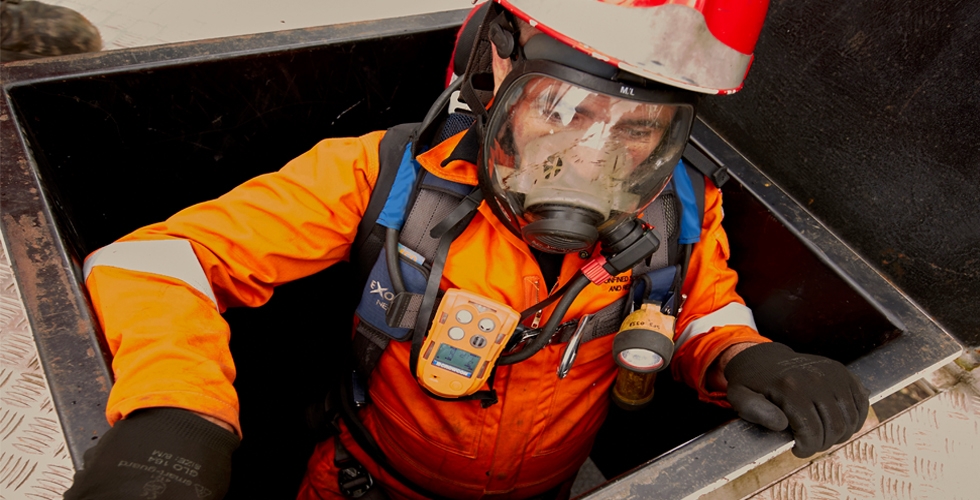
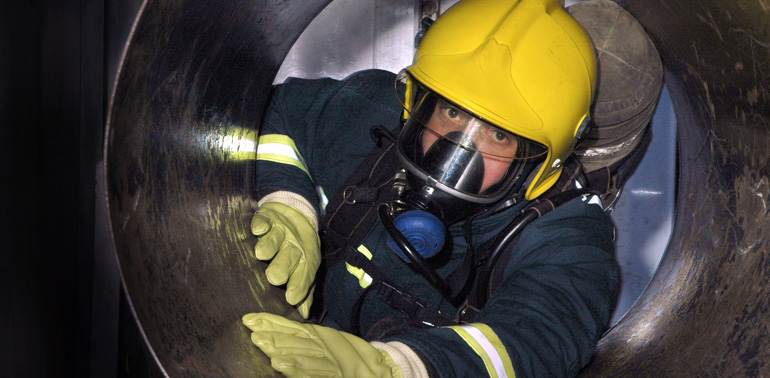
The high-risk course is for anyone working in an environment where a specified risk cannot be controlled or eliminated. Including preparing to work safely, entering and exiting high risk confined spaces safely, following procedures and dealing with emergencies. Candidates will be trained in the use of Self-Contained Breathing Apparatus (SCBA).
Key Information:
Learning Outcomes
Course Content
Learning Outcomes
- Preparation for working safely in high risk confined spaces.
- Donning and Doffing SCBA.
- Enter and exit high risk confined spaces safely.
- Correct use equipment and tools.
- Following working procedures.
- Dealing with emergencies.
Course Content
- Definition of a confined space.
- Specified risks.
- Various relevant regulations.
- Risk assessment, hazard identification and control measures.
- Atmospheric testing and gases.
- Correct use of gas monitors.
- Safe systems of work and permits to work.
- Roles and responsibilities.
- Communication.
- Inspection of tripods, winches and fall protection equipment.
- Inspection and use of breathing apparatus.
- Practical exercises and assessment.
Assessment: Practical observation and question paper.
High Risk Rescue Confined Space Training.
Course Aim:
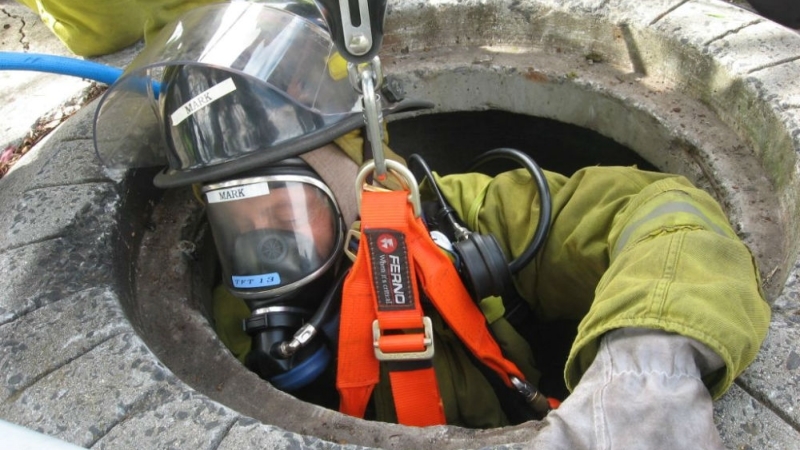
This qualification is about working in confined spaces as a member of a rescue and recovery team. An emergency team will need to be available when the risk assessment for a confined space determines that it is necessary. An emergency team is a dedicated team and may be an in-house team, specialist contractors or the emergency services by prior arrangement. This qualification includes preparing to carry out emergency activities, entering and exiting confined spaces safely, using emergency equipment, casualty recovery and handling devices in accordance with manufacturers’ specifications, rescuing and recovering casualties, following procedures and working safely.
Key Information:
Rescue team member role and responsibilities
- Rescue procedures and protecting the rescuer
- Rescue equipment
- First aid requirements for causality rescue / recovery
- Search procedures
- Rescue techniques
- Practical exercises and assessment
Assessment: Practical observation and question paper.